

Common Types of Polyester Bed Sheets on the Market & Buying Guide
High-quality bed sheets can create a comfortable sleeping environment and help you rest well. However, the experience varies greatly among different fabrics, and fabric characteristics will directly affect sleep quality. With many advantages, polyester bed sheets are widely used bedding. This article introduces the mainstream categories of polyester bed sheets, answers frequently asked questions such as are polyester bed sheets breathable, polyester vs microfiber sheets what is the difference, and the differences between polyester fabric and other bedding fabrics.
Polyester bed sheets refer to bedding made of polyester fiber, a kind of synthetic fiber. On the market, they are mainly divided into six categories: microfiber, polyester flannel, coral fleece, cooling polyester, TPU waterproof polyester fitted sheet and polar fleece. When purchasing, focus on the features of the fabric type.
Ⅰ.What are polyester bed sheets?
Polyester bed sheets are made of polyester fiber, a synthetic fiber. Fibers are spun into yarns, then woven or knitted, together with different finishing processes, to produce fabrics with diverse hand feels. Polyester is an industrial synthetic fabric with stable supply. It is widely used in household bedding, hotel linen and foreign trade markets. There are both 100 polyester bed sheets and blended polyester sheet set on the market. Polyester blended fabrics interweave polyester with other fibers to complement each other’s advantages. While retaining the easy-care features of polyester, they improve the shortcomings of static electricity and insufficient breathability of pure polyester to achieve a more balanced experience.
Polyester is widely used in bedding because of stable output, bright dyeing and controllable cost. Unlike natural fibers affected by fluctuations in origin and climate, polyester fiber can be mass-produced on demand with small batch differences under the same specification. Therefore, it is very suitable for hotel rooms, rental apartments and foreign trade bulk purchases that require large and stable supply. It has low hydrophilicity, so moisture is not easy to be absorbed inside the fiber, which is the main reason for its quick-drying and low shrinkage. But this same feature also means its moisture absorption and breathability are naturally inferior to cotton. That is why processes such as brushing, special-shaped cross-section cooling yarn and breathable lamination appear on the market to improve hand feel and breathability. It can be said that the rich categories of polyester bed sheets are largely evolved around the goal of "improving experience" through different weaving and finishing processes.
Ⅱ.Why are polyester bed sheets popular?
First of all, they have good wrinkle resistance: they are not easy to wrinkle and basically require no ironing, which saves trouble in daily care. This is the biggest advantage of wrinkle free polyester sheet set. For office workers, student dormitories and hotels with frequent replacement and washing, removing the ironing step can obviously reduce daily maintenance costs.
Secondly, they dry quickly and have excellent color fastness: they dry rapidly after washing and patterns are not easy to fade. Natural cotton dries slowly and easily gets musty in humid environments, while polyester fibers hardly absorb moisture, so they dry quickly after hanging, which is more reassuring in rainy seasons and cloudy days. At the same time, disperse dyes bond firmly with polyester, so printed colors are stable and not easy to get mottled after repeated washing, resulting in a wide range of optional patterns.
Finally, they are cost-effective. Suitable for standardized mass production, they have a wide price range and are fit for bulk wholesale. Polyester raw materials are mature with standardized processes. Whether for retail sets or bulk wholesale, they can provide lower prices than natural fiber bed sheets of the same specification while ensuring uniform and stable quality. This is also the reason why they have long occupied the mainstream position in cross-border trade and hotel linen markets.
Ⅲ.Popular polyester bed sheets
They have diverse styles and specifications: there are breathable brushed microfiber bed sheets, anti pilling microfiber bed sheets, as well as deep pocket microfiber fitted sheet, extra deep pocket polyester sheets adapted to thickened mattresses. In terms of specifications, there are queen size brushed microfiber bed sheets, twin xl microfiber sheets for college dorm and other size options.
Besides ordinary flat bed sheets, polyester fitted sheet are increasingly popular among families and hotels because elastic bands wrap around the four sides of the mattress and the sheet is not easy to shift after sleeping. The adaptability of fitted sheets to mattress thickness is mainly distinguished by "pocket depth". Standard pocket depth is enough for ordinary mattresses, while thickened mattresses or beds with mattress covers need deep pocket microfiber fitted sheet or extra deep pocket polyester sheets. When purchasing, measure the mattress thickness first and check against the specifications. In terms of sizes, bed standards vary in different regions. Queen and King are mainstream bed widths, while Twin XL is common in university dormitories. Choosing the correct size according to the region and bed type is more important than selecting patterns first.
Ⅳ.Six common polyester bed sheet fabrics
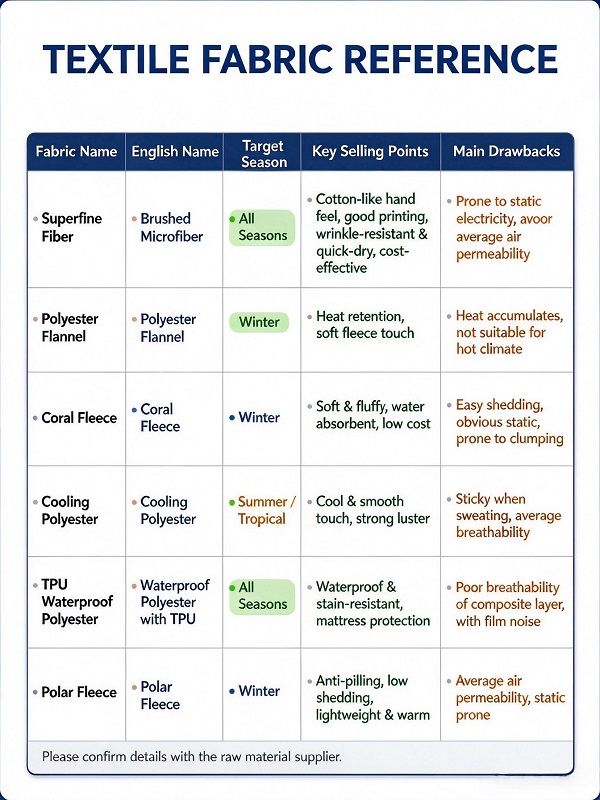
Polyester bed sheets are not a single category. Different yarn thicknesses, weaving methods and finishing processes will form fabrics with completely different hand feels. Below are the six most common types for purchasing reference:
Microfiber bed sheets
Ultra-fine denier polyester filament with double-sided light brushing treatment (double brushed microfiber sheets). Advantages: Delicate hand feel with cotton-like touch; good printing effect; wrinkle-resistant, quick-drying and affordable. Disadvantages: Prone to static electricity in dry environments; breathability is not as good as natural cotton. It is the most circulated polyester bed sheet category on the market and the main fabric for most affordable four-piece sets and basic hotel linen. It performs well in printing, especially for styles with rich printed patterns.
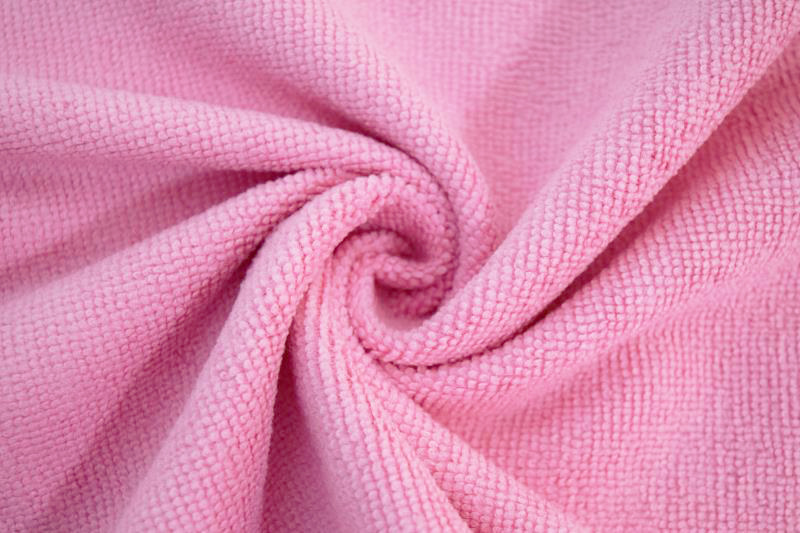
Polyester flannel sheets
Polyester fabric is napped to form a dense fluff layer on the surface. Advantages: Good heat retention, full and soft fluff; wrinkle-resistant and stable color fastness. Disadvantages: Heat-trapping, not suitable for heat-sensitive people and tropical regions; easy to generate static electricity in dry environments. Flannel locks body heat through the dense fluff layer. It has outstanding warmth retention and is commonly used warm bedding for bedrooms and guest rooms in autumn, winter and low-temperature areas.\
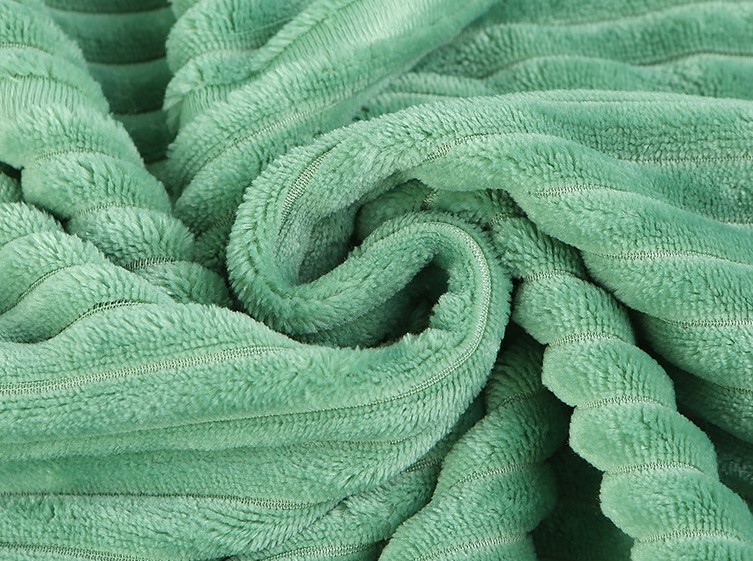
Coral fleece bed sheets
Knitted polyester fabric forming fluffy long fluff. Advantages: Soft touch, good water absorption and low cost. Disadvantages: Easy shedding, obvious static electricity, and the fluff surface tends to clump after long-term use. Coral fleece has a fluffy surface and soft body feel at a low price. It is often used as warm throw blankets or temporary guest room bedding. However, due to the long fluff, its wear resistance and long-term maintenance performance are inferior to polar fleece.
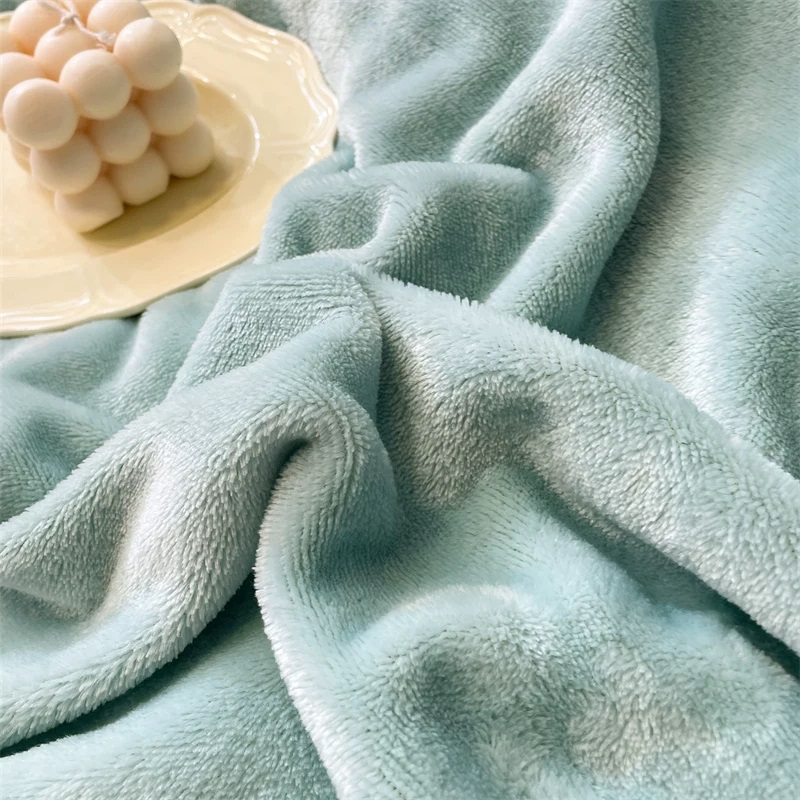
Cooling polyester bed sheets
Special-shaped cross-section polyester yarn, mostly satin weave. On the market, there are styles such as polyester satin bed sheets, microfiber satin sheets with satin finish. Advantages: Instant cool touch, smooth and glossy surface, suitable for high-temperature environments. Disadvantages: Easy to stick to the skin after sweating; overall breathability is average. The special-shaped cross-section leaves more gaps between fibers to conduct and take away body heat, bringing a cool touch. It is a popular cooling bedding for summer and tropical areas.
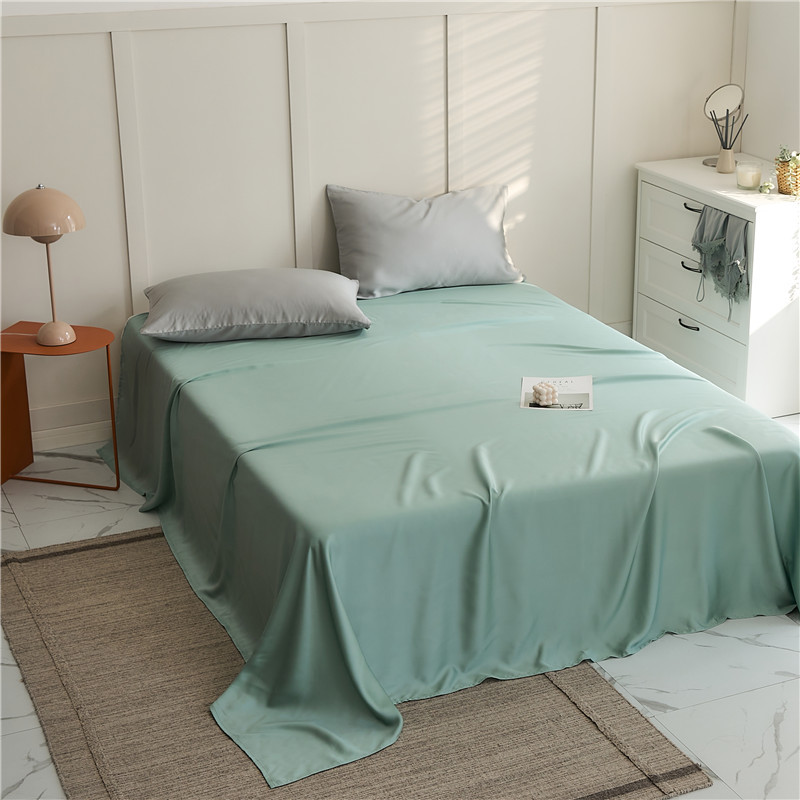
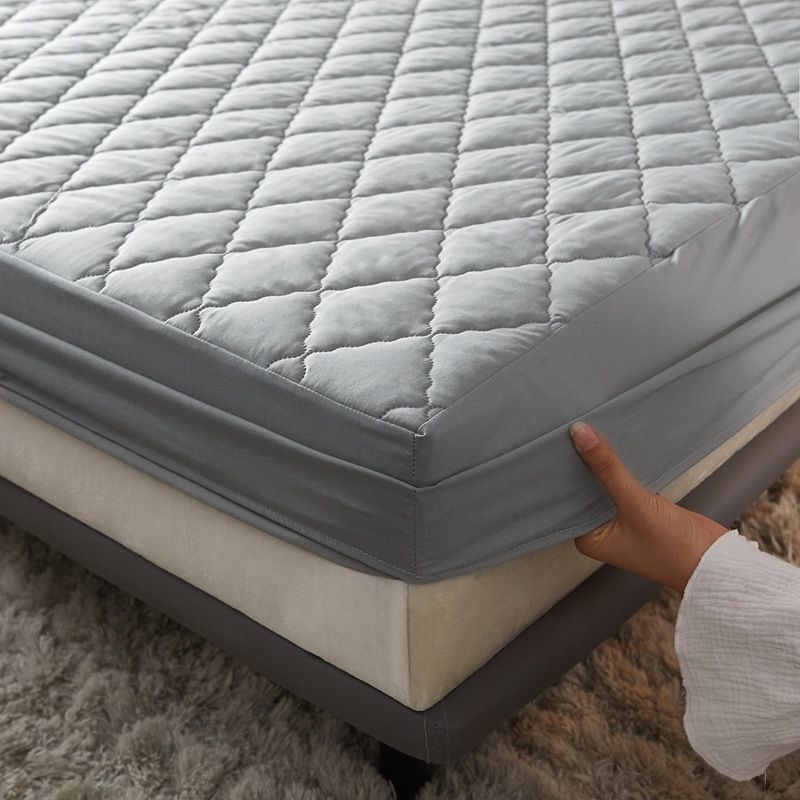
TPU waterproof polyester bed sheet /fitted sheet
A layer of breathable TPU waterproof film is laminated on the polyester base fabric. Advantages: It can block liquid leakage and protect the mattress, and the base fabric has a soft hand feel. Disadvantages: The breathability of the laminated structure is worse than pure polyester fabric, and a slight film rustling sound may occur when pressed. It targets leakage prevention scenarios, such as baby bedwetting, elderly care, pet activities and hotel mattress protection. The bottom is waterproof while the skin-contact side is soft, making it the mainstream structure for mattress protectors.
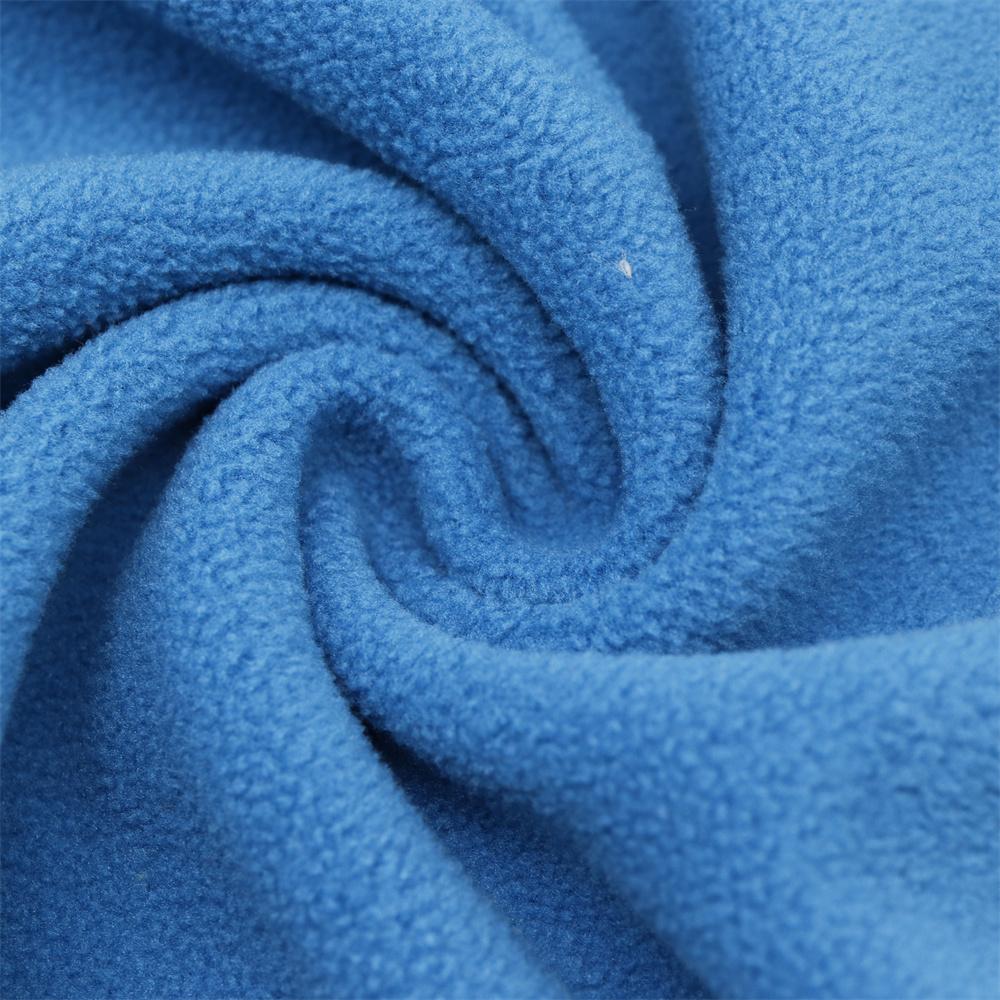
Polar fleece
Knitted polyester, sheared and shaped to form a short and dense granular fluff surface. Advantages: Better anti-pilling and anti-shedding performance than coral fleece, light and warm. Disadvantages: Average breathability; static electricity may occur in dry environments. Polar fleece has short and dense fluff grains after shaping treatment. It is more wash-resistant and less prone to shedding than long-fluff coral fleece, balancing warmth and durability.
Ⅴ.Factors affecting the quality of polyester bed sheets
Fabric GSM
For brushed fabric, flannel and polar fleece, higher GSM means richer fluff; cooling fabric styles usually have lower GSM. Common specifications include 90 gsm microfiber bed sheet set, 110 gsm double brushed polyester sheets. Gram per square meter refers to the weight per square meter. Higher GSM means more yarn is used per unit area, making the fabric denser and thicker, and usually with better warmth retention and durability. However, higher GSM is not always better. Excessively high GSM will sacrifice flexibility and lightness, while too low GSM leads to thin and translucent fabric that wrinkles easily. Balance GSM according to the season and expected hand feel when purchasing.
Weaving method
Common weaves include plain weave, satin weave and knit. The weaving method determines the luster, smoothness and breathability of the fabric: satin weave has strong luster and smooth hand feel; plain weave has a stable structure; knitted fabric has better elasticity. Besides pure polyester, blended fabrics such as poly cotton bed sheets are also optional. Satin weave forms a smooth, silky surface through long float lines, which is often adopted for cooling and satin bed sheets. Plain weave has tight warp and weft interlacing for stable and wear-resistant structure. Knitted fabric obtains good elasticity through loop weaving, often used for fitted sheets and skin-contact fabrics.
Finishing process
With the same polyester base material, completely different performance can be obtained through different finishing processes. Brushing, napping, special-shaped cooling yarn process, TPU lamination, etc., are the core to distinguish fabric hand feel and functions. Many styles also adopt hypoallergenic treatment to produce hypoallergenic 100 polyester bed sheets. Brushing forms fine short fluff on the surface to improve touch; napping is used for the warm fluff layer of flannel and polar fleece; special-shaped cross-section improves coolness and moisture conduction; TPU lamination endows waterproof function. Finishing is the key for polyester bed sheets to have different experiences with the same base material, and also the core to distinguish budget styles and functional styles.
Ⅵ.Differences between polyester and other bedding fabrics
Cotton:
Natural fiber, breathable and skin-friendly with strong moisture absorption; easy to wrinkle with a wide price range. Many consumers compare microfiber vs cotton sheets which is better. Cotton is skin-friendly and breathable and gets softer after repeated washing, but it wrinkles easily, shrinks and dries slowly. Microfiber polyester requires no ironing, dries quickly, does not fade easily and is cheap, yet it is less naturally breathable than cotton. Cotton is more suitable for people pursuing natural skin-friendliness and with sufficient budget, while polyester is a better choice for hotels, dormitories and people who value easy maintenance and cost performance.
Bamboo fiber:
Long fiber, soft and durable, breathable and hypoallergenic; chemical agents are used in the production process, and the selling price is relatively high. Bamboo fiber has soft hand feel and good moisture absorption, suitable for sensitive skin, but its price is obviously higher than ordinary polyester due to processing technology and cost.
Linen:
Coarse fiber, sturdy and durable with strong moisture absorption; the hand feel will become soft only after multiple washes. Linen is breathable and stiff, suitable for summer, but the initial touch is hard and it wrinkles easily, requiring an adaptation period, and the price is not low.
Silk:
Extremely smooth touch and high-grade texture; expensive with strict maintenance requirements. Silk is a high-end option for bedding, yet it needs hand washing, light avoidance and careful storage. The maintenance cost is high, and it is mostly used for light luxury or special scenarios.
Ⅶ.Washing and maintenance steps for polyester bed sheets
How you wash newly bought polyester bed sheets directly affects their patterns and service life. Follow the steps below in daily order to extend their service life:
Step 1: Check the care label to confirm whether the fabric is pure polyester and machine washable. Most polyester bed sheets support machine washing, but some laminated styles (such as fitted sheets with TPU film) may have special requirements. Always check the label first before washing.
Step 2: Turn the sheet inside out, zip up zippers or tie quilt corner ties before putting it into the washing machine. Turning the sheet inside out reduces direct friction on the printed surface and protects the patterns.
Step 3: Select cold or warm water gentle cycle. The water temperature generally should notexceed 40℃ to avoid fiber shrinkage and deformation caused by high temperature.
Step 4: Use neutral detergent and avoid formulas containing bleach or strong alkali to prevent damage to fibers and prints.
Step 5: Take it out promptly after washing, tumble dry on low heat or dry in a cool and ventilated place. Polyester dries fast and generally does not need long-time sun exposure. Avoid direct strong sunlight which will cause fading and aging.
This set of steps exactly corresponds to the common concern how to wash 100 polyester bed sheets without shrinking: the core is to control water temperature, avoid high-temperature drying and reduce violent friction to keep the risk of shrinkage and deformation of polyester very low.
Ⅷ.FAQ
Q1: Are polyester bed sheets breathable?
Polyester itself has low hydrophilicity and its natural breathability is weaker than cotton. However, breathability can be improved through breathable brushed structure and special-shaped cooling yarn process. Cooling polyester or breathable brushed styles are more suitable for people who are afraid of heat and sweat easily. If strong breathability is required, poly-cotton blended fabric or pure cotton can be considered.
Q2: What is the difference between polyester and microfiber bed sheets?
Microfiber is a subcategory of polyester, referring to polyester filament with ultra-fine denier specification. Ordinary polyester yarn is thicker while microfiber has finer fibers and can be brushed for a softer hand feel. It is currently the most mainstream type of polyester bed sheets.
Q3: Which is better, microfiber bed sheets or cotton bed sheets?
Pure cotton is naturally moisture-absorbent, breathable and skin-friendly, but it wrinkles easily, shrinks and dries slowly. Microfiber polyester requires no ironing, dries quickly, is not easy to fade and is affordable. The former suits people pursuing natural skin-friendliness, while the latter is suitable for hotels, dormitories and people who prioritize easy maintenance. Both have trade-offs.
Q4: Will polyester bed sheets shrink?
Qualified 100% polyester has a very low shrinkage rate. As long as you control the water temperature, avoid high-temperature drying and strong sunlight exposure, there will basically be no obvious shrinkage. For blended styles, it depends on the other fiber component and operate according to the requirements on the care label.
Q5: Why do polyester bed sheets easily generate static electricity? Polyester hardly absorbs water, so static electricity accumulates easily after friction in dry environments. It is obvious in dry autumn and winter. You can relieve it by increasing indoor humidity, reducing excessive friction, or choosing brushed or blended styles.
Ⅸ.Conclusion
Sleep is very important for health, and suitable bed sheets can bring better rest experience. Whether polyester is suitable for you and which type of polyester to choose depends on the local climate, personal sleeping feeling and budget. For daily care, refer to the method of how to wash 100 polyester bed sheets without shrinking to extend the service life of bed sheets. If you want cost-effective and low-maintenance bedding, microfiber is the safest choice. If you fear heat and prefer cool touch, choose cooling polyester. For warmth in low-temperature areas, pick flannel or polar fleece. If you need leak protection to protect the mattress, go for TPU waterproof polyester fitted sheet. Screen from the six categories according to the GSM, weaving and finishing standards above, and you can usually find the right one.