

How to Make Your Bed Warmer and Cozier in Winter: 8 Simple Tips for a Comfortable Sleep
How to Make Your Bed Warmer and Cozier in Winter: 8 Simple Tips for a Comfortable Sleep
To make your bed warmer and cozier in winter, choose soft and insulating bedding, use a plush or flannel fitted sheet, layer your blankets appropriately, select a comfortable winter comforter, and keep your bedroom at a comfortable temperature. The goal is to create a warm, soft sleeping environment without making the bed unnecessarily heavy or difficult to manage.
Here are eight practical ways to make your bed more comfortable during the colder months.
Ⅰ. Choose Warm and Soft Bedding Materials
The material touching your skin can have a major impact on how your bed feels in winter. While lightweight cotton sheets are comfortable throughout much of the year, some people prefer a softer, warmer surface when temperatures fall.
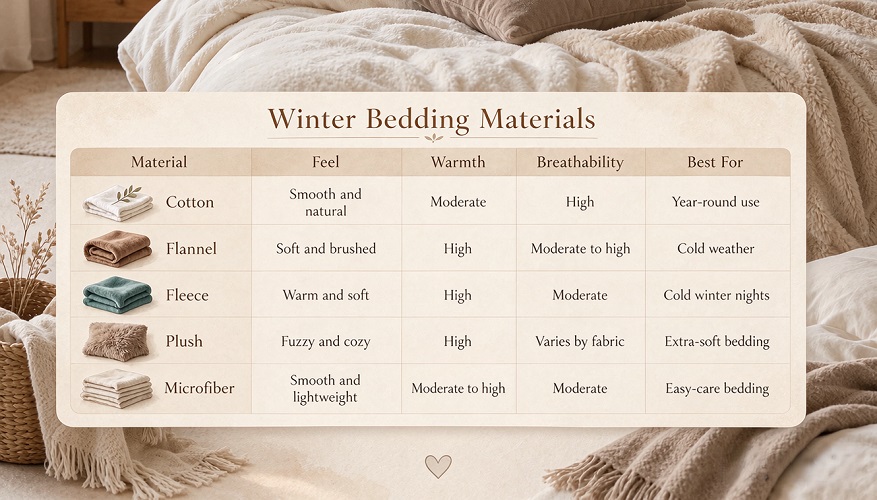
Several bedding materials are commonly used for winter:
The best material depends on your climate, bedroom temperature, and personal sleeping preferences. A very warm fabric may be comfortable for someone in a cold bedroom but feel too warm for someone who tends to sleep hot.

Flannel Bedding: A Classic Winter Choice
Flannel is a popular winter bedding material because its brushed surface feels soft and warm against the skin. The raised fibers give flannel a comfortable texture and can make a bed feel warmer than a smooth, lightweight sheet.
Flannel sheets are particularly useful in colder climates and can be paired with blankets or a duvet for additional warmth.
Plush Bedding: Softness Meets Winter Comfort
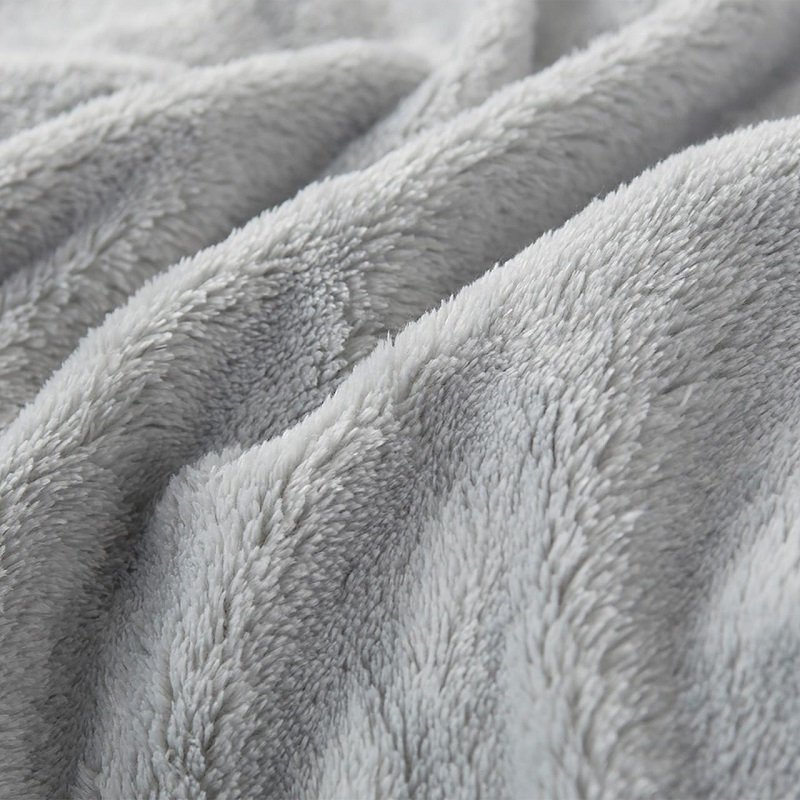
Plush bedding takes softness a step further by using a fuzzy or pile-like surface. This type of bedding can create a particularly cozy feeling when you first get into bed.
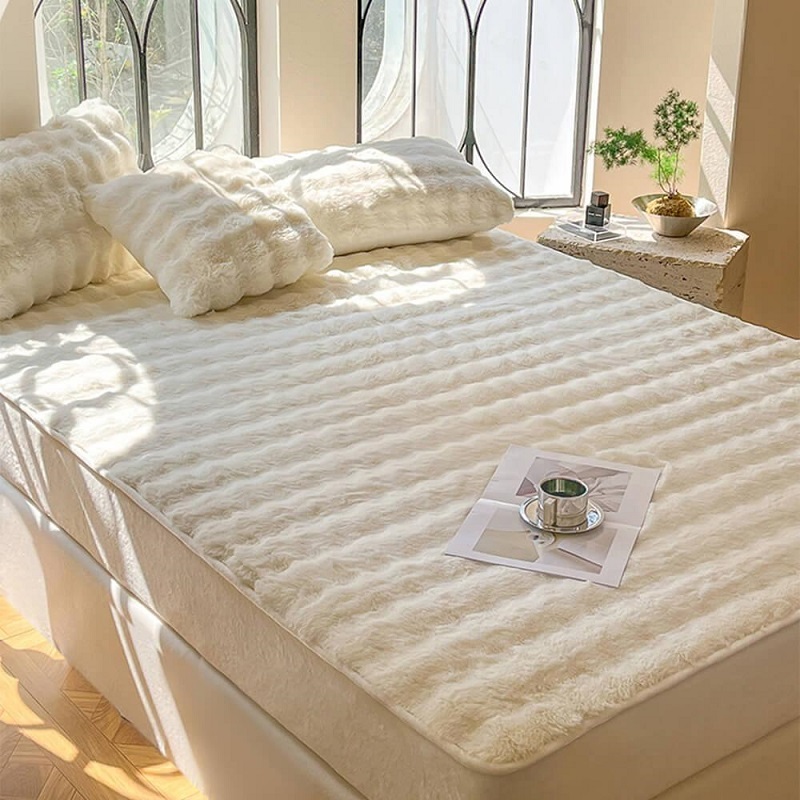
A plush fitted sheet is especially useful when you want the mattress surface itself to feel warmer rather than simply adding another blanket on top.
Ⅱ. Switch to a Plush Fitted Sheet for Winter
One of the simplest ways to make a bed feel cozier is to change the fitted sheet according to the season.
A regular fitted sheet mainly provides a clean, comfortable surface between you and the mattress. A plush fitted sheet adds another layer of softness through its raised surface.
Why Use a Plush Fitted Sheet in Winter?
A winter plush fitted sheet can provide several practical benefits:
- A softer surface against the skin
- A warmer-feeling sleeping surface
- A cozy texture that works well with winter bedding
- A fitted design that stays securely around the mattress
- An easy way to change the feel of a bed without replacing the entire bedding set
Because the fitted sheet covers the mattress directly, it can influence how the bed feels before you even add a comforter or blanket.
For people who dislike the feeling of cold sheets when getting into bed, a plush fitted sheet can be a simple seasonal upgrade.
What Makes a Good Plush Fitted Sheet?
Not all plush sheets are the same. When choosing one, look beyond the appearance and consider the construction of the product.
Fabric and surface:
Look for a soft, evenly finished surface with a comfortable hand feel. The
fabric should feel pleasant against the skin rather than overly rough or stiff.
Elastic construction:
A fitted sheet should stay securely around the mattress. Strong elastic around
the edges can help reduce movement during the night.
Pocket depth:
Check the thickness of your mattress before purchasing. A fitted sheet that is
too shallow may pull away from the corners, while an excessively deep pocket
may not provide the best fit.
Seams and workmanship:
Well-finished seams can contribute to the durability and overall appearance of
the fitted sheet.
How to Choose the Right Fitted Sheet Size
The correct size is more than just choosing Twin, Full, Queen, or King.
Before purchasing a fitted sheet, measure:
- The length of your mattress.
- The width of your mattress.
- The mattress thickness.
- The additional height created by any mattress topper.
This is particularly important for fitted sheets because the sheet needs to stretch around the mattress rather than simply cover its surface.

Ⅲ. Layer Your Bedding for Extra Warmth
Adding layers is one of the most flexible ways to adjust your bed for winter.
Instead of relying on one extremely thick blanket, you can combine several bedding layers and adjust them according to the temperature.
A practical winter bedding arrangement might look like this:
Mattress → plush fitted sheet → blanket or quilt → comforter or duvet → optional throw blanket
Each layer serves a different purpose.
The fitted sheet provides the surface closest to your body. A blanket or quilt can add an intermediate layer of warmth, while a duvet or comforter provides the primary insulation.
Why Layering Works
Layering allows you to adjust your bedding more easily.
For example, on a mildly cold night, you may only need a fitted sheet and a lightweight comforter. On a particularly cold night, you can add a blanket without changing the entire bed.
This also makes seasonal transitions easier because you can remove or add individual layers as temperatures change.
Avoid Making the Bed Too Heavy
More layers do not always mean better sleep.
A bed that is excessively heavy can feel restrictive, particularly for people who move frequently during sleep. Instead of simply adding more bedding, consider improving the quality and warmth of each layer.
A soft winter fitted sheet combined with an appropriately insulated comforter can often provide a better balance than several heavy blankets.
Ⅳ. Choose the Right Comforter or Duvet
The top layer of your bed plays a major role in maintaining warmth.
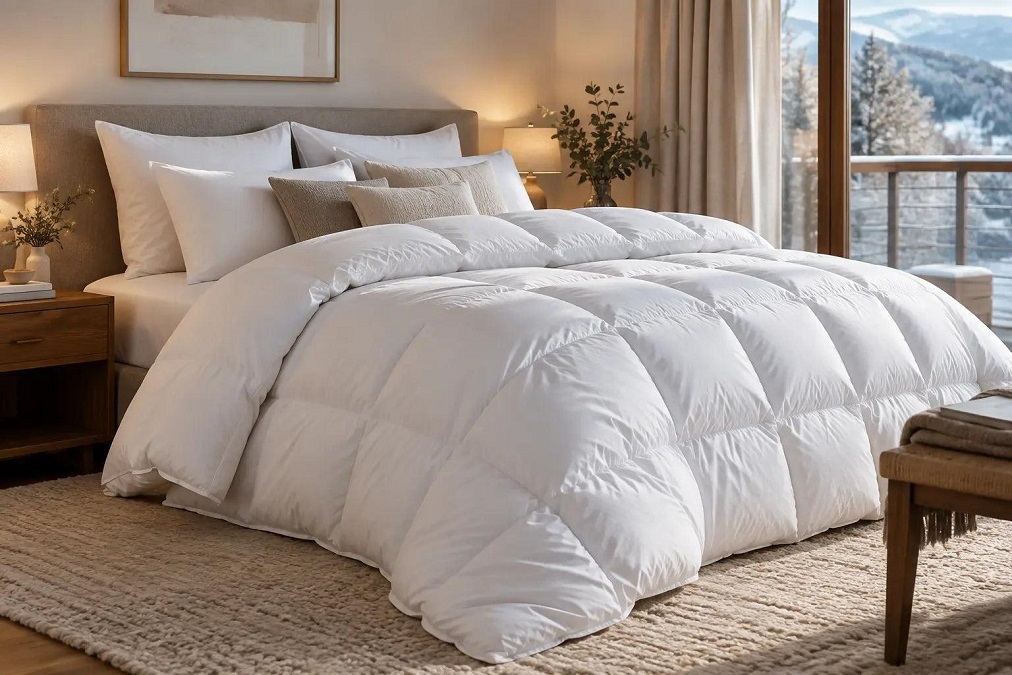
When choosing a winter comforter, consider more than thickness. Filling material, weight, construction, and breathability can all affect comfort.
Down vs. Down Alternative Comforters
Down comforters are known for being lightweight and warm. Their natural insulation properties make them popular in colder climates.
Down-alternative comforters use synthetic filling materials designed to provide similar loft and warmth without using natural down.
Neither option is universally best. The right choice depends on your preferred warmth, budget, maintenance requirements, and personal preferences.
Don't Choose a Comforter Based on Thickness Alone
A very thick comforter is not automatically the best winter comforter.
What matters is how effectively the comforter provides insulation while remaining comfortable to sleep under.
If you already use a warm plush fitted sheet and a quality comforter, you may not need several additional heavy blankets.
Ⅴ. Don't Forget Your Pillows and Pillowcases
A comfortable winter bed is not just about the mattress and comforter.
Your pillow and pillowcase are directly against your face and head, so their texture can influence the overall sleeping experience.
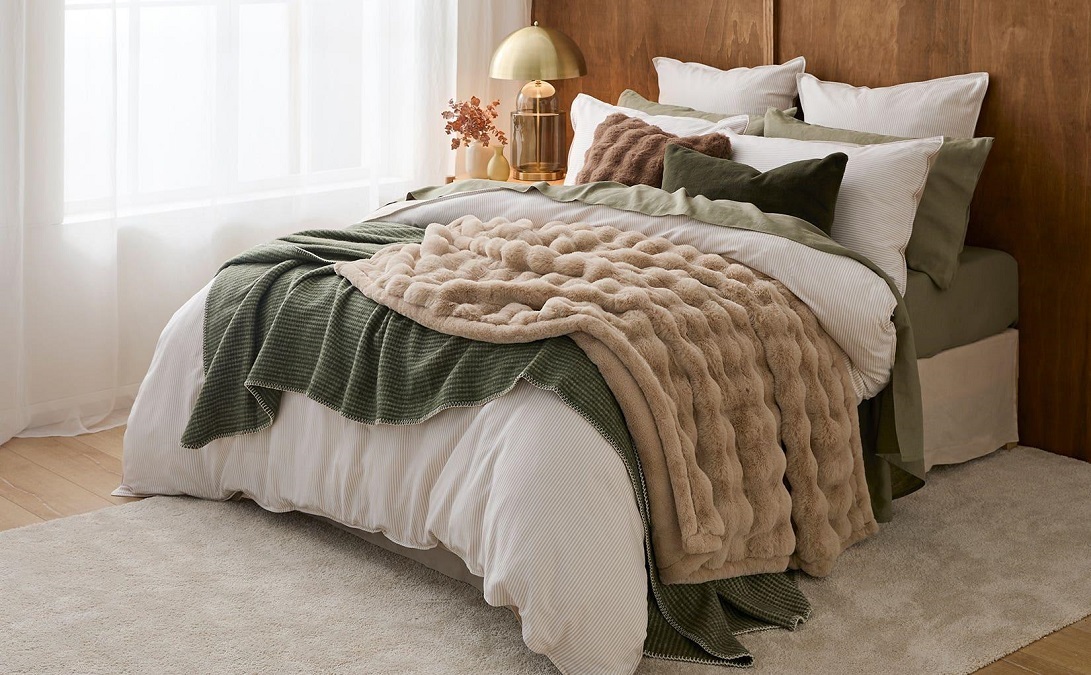
For a coordinated winter bed, consider using pillowcases made from materials that complement your fitted sheet.
For example:
- Plush pillowcases can create a soft, fuzzy texture.
- Flannel pillowcases can provide a classic winter feel.
- Cotton pillowcases can offer a smoother and more breathable surface.
You can also combine different textures without making the bed look overly complicated.
A plush fitted sheet paired with smooth cotton pillowcases, for example, can create a balance between softness and breathability.
Ⅵ. Keep Your Mattress and Bedroom Comfortable
Your bedding is important, but the surrounding bedroom environment also affects how warm your bed feels.
Consider a Mattress Protector or Mattress Pad
A mattress protector primarily helps protect the mattress from moisture, stains, and everyday wear.
A mattress pad can also change the feel of the sleeping surface by adding another layer between the mattress and fitted sheet.
If you use a thick mattress topper or pad, remember to account for its additional height when selecting your fitted sheet.
Keep the Bedroom at a Comfortable Temperature
It is tempting to turn up the heating dramatically during winter, but a very warm bedroom may not be comfortable for everyone.
Instead, aim for a temperature that feels comfortable for your household and sleeping preferences.
Good insulation, appropriate heating, and adequate ventilation can all contribute to a more comfortable bedroom environment.
Reduce Cold Air Around the Bed
If your bed is close to a drafty window or poorly sealed door, cold air can make the entire sleeping area feel less comfortable.
Simple changes such as improving window insulation, using suitable curtains, or repositioning the bed away from direct drafts can help.
Ⅶ. Wash and Care for Your Winter Bedding Properly
Soft winter bedding needs proper care to maintain its texture and appearance.
Before washing any fitted sheet, blanket, or comforter, check the manufacturer's care label. Different fabrics and constructions may require different washing and drying methods.
Use the Recommended Washing Temperature
Do not automatically use the hottest possible water.
High temperatures may not be appropriate for every fabric and can contribute to shrinkage, surface damage, or changes in texture.
Following the care instructions is usually the safest approach.
Avoid Excessive Friction
Friction can affect the surface of brushed and plush fabrics over time.
To help preserve the soft surface:
- Avoid overloading the washing machine.
- Use an appropriate wash cycle.
- Follow the recommended detergent instructions.
- Avoid unnecessary high-heat drying.
- Store bedding clean and completely dry.
Keep Winter Bedding Fresh
Because winter bedding is often thicker and heavier, it can take longer to dry.
Make sure bedding is thoroughly dry before folding and storing it. Moisture left inside folded bedding can contribute to unpleasant odors and other storage problems.
Ⅷ. Create a Cozy Winter Bedroom with Colors and Textures
Warmth is not only about temperature. The visual and tactile environment of your bedroom can also contribute to a cozy winter atmosphere.
Choose Warm and Neutral Colors
Winter bedding often works well with colors such as:
- Cream
- Beige
- Warm gray
- Brown
- Soft white
- Muted earth tones
These colors can create a calm and comfortable bedroom without making the space feel visually crowded.
Mix Different Textures
One of the easiest ways to make a bedroom look cozier is to combine textures.
For example, you could pair:
Plush fitted sheet + cotton pillowcases + quilt + soft blanket + textured throw
The different surfaces create visual depth while keeping the overall design simple.
Add Warm Lighting
Lighting can completely change the atmosphere of a bedroom.
Warm-toned bedside lamps, soft ambient lighting, and simple decorative elements can make a winter bedroom feel more relaxing.
The goal is not to fill the room with decorations. A few carefully chosen textures and lighting elements can be enough.
Ⅸ. A Simple Winter Bedding Formula
If you are not sure where to start, you can use this simple combination:
1. Start with a plush fitted sheet.
Choose a soft winter-friendly surface that feels comfortable against the skin.
2. Add a breathable blanket or quilt.
Use this as an intermediate layer for additional warmth.
3. Add a suitable comforter or duvet.
Choose the insulation level according to your bedroom temperature and sleeping preferences.
4. Finish with comfortable pillows and pillowcases.
Choose textures that complement the rest of the bedding.
5. Adjust the layers according to the weather.
Remove or add a layer instead of relying on one extremely heavy blanket.
Ⅹ.How to Choose Winter Bedding for Different Sleeping Preferences
Not everyone experiences cold in the same way.
If You Sleep Cold
You may prefer:
- A plush or flannel fitted sheet
- A warmer comforter
- An additional blanket
- Soft, insulating pillowcases
If You Sleep Hot
You may want to focus more on breathable materials and use fewer heavy layers.
A lightweight cotton fitted sheet combined with a moderate-weight comforter may be more comfortable than a very thick plush bedding system.
If You Share a Bed
Different sleepers may have different temperature preferences.
Layering is useful in this situation because each person can adjust their own blanket or comforter without changing the entire bed.
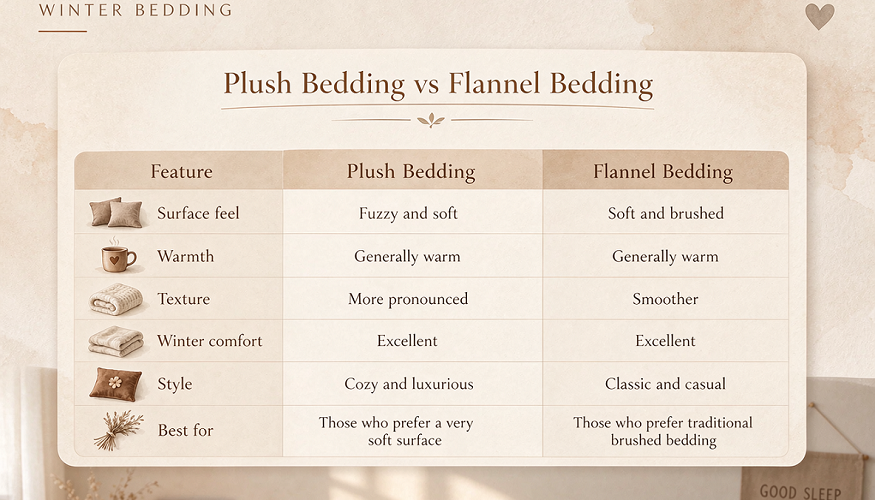
XI. Plush vs. Flannel: Which Is Better for Winter?
Both plush and flannel bedding can work well in winter, but they provide different sensory experiences.
There is no single winner for everyone.
If your priority is a particularly soft and cozy surface, plush bedding may be the better choice. If you prefer a classic brushed fabric with a more traditional sheet feel, flannel may be more suitable.
The most important factors are fabric quality, construction, fit, and your personal sleeping preferences.
XII.Frequently Asked Questions
1.Are plush fitted sheets good for winter?
Yes. Plush fitted sheets can be a good choice for winter because their soft, raised surface provides a warmer and cozier feel than many lightweight smooth sheets. They can be particularly useful for people who dislike getting into cold sheets at night.
2.What is the warmest material for winter bed sheets?
There is no single warmest material for everyone. Flannel, fleece, and plush fabrics are commonly chosen for cold-weather bedding because of their soft surfaces and warm feel. The best choice depends on your bedroom temperature and whether you tend to sleep hot or cold.
3.Is flannel warmer than regular cotton sheets?
Flannel generally feels warmer than lightweight, smooth cotton sheets because its brushed surface creates a softer and more insulating feel. However, the actual warmth depends on the fabric weight, construction, and surrounding bedding layers.
4.How can I make my bed warm without using an electric blanket?
Start with a warm fitted sheet, such as plush or flannel, and layer your bedding with a suitable blanket and comforter. You can also reduce drafts around the bed and maintain a comfortable bedroom temperature.
5.How many layers should a winter bed have?
There is no fixed number. A practical winter bed may include a fitted sheet, blanket or quilt, and comforter or duvet. Add or remove layers depending on the room temperature and your sleeping preferences.
6.How often should winter bedding be washed?
Washing frequency depends on the type of bedding and how it is used. Sheets and pillowcases generally require more frequent washing than bulky comforters and blankets. Always follow the care instructions provided for the specific product.
XIII. Final Thoughts
Making your bed warmer and cozier in winter does not require filling it with as many blankets as possible.
The better approach is to choose the right materials and combine them thoughtfully. A soft plush or flannel fitted sheet can improve the surface feel of the bed, while a suitable comforter and carefully selected blanket can provide additional warmth. Comfortable pillows, appropriate bedroom temperature, and proper bedding care can complete the setup.
For many winter sleepers, the fitted sheet is an overlooked part of the equation. Because it sits directly between your body and mattress, changing from a lightweight sheet to a soft winter fitted sheet can make the entire bed feel different.
Ultimately, the ideal winter bed is not simply the warmest one. It is the one that gives you the right balance of warmth, softness, breathability, comfort, and fit for your sleeping environment.