

What Is African Wax Print Fabric? A Guide to Its History, Patterns and Uses
What Is African Wax Print Fabric? A Guide to Its History, Patterns and Uses
African wax print fabric is a colorful printed textile widely used in West African clothing and fashion. Known for its bold patterns, vibrant colors, and cultural significance, it is commonly used to make dresses, shirts, skirts, headwraps, and accessories. From traditional celebrations to modern everyday outfits, African wax print fabric has become an important part of fashion and personal expression across many African communities.
Often associated with names such as Ankara, Dutch Wax, and Kitenge, these fabrics come in a wide variety of designs, colors, and materials. Understanding their history, characteristics, and uses can help you choose the right fabric for different clothing styles and occasions.
1. What Is African Wax Print Fabric?
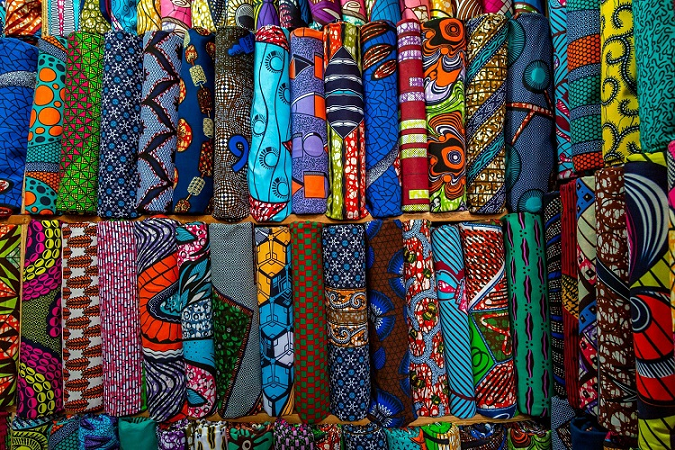
African wax print fabric is a type of colorful printed textile widely recognized for its bold patterns, contrasting colors, and distinctive designs. It is particularly popular in West African countries such as Nigeria, Ghana, and Côte d'Ivoire, where it is commonly used to create traditional and contemporary clothing.
One of its most recognizable features is its intricate patterns, which often combine geometric shapes, floral elements, abstract designs, and repeated motifs. Many traditional wax prints have patterns visible on both sides of the fabric, although the depth and appearance of the colors can vary depending on the printing technique and fabric construction.
African wax print fabrics are available in different materials, including:
- 100% Cotton: Cotton fabrics are valued for their natural feel, breathability, and comfort, making them popular for dresses, shirts, skirts, and other garments.
- Polyester: Polyester fabrics are often chosen for their color appearance, dimensional stability, and practical care characteristics. They are available in a wide range of printed designs.
- Cotton Blends: Blended fabrics combine different fiber properties to achieve particular levels of softness, durability, and performance.
The popularity of African wax print fabric comes from more than its appearance. Its colorful designs allow people to express their personal style, celebrate cultural traditions, and create distinctive outfits for different occasions. Today, it is worn by people of different ages and incorporated into both traditional African clothing and modern fashion.
2. The History and Cultural Significance of African Wax Print
The history of African wax print fabric is closely connected to the development of textile trade between Asia, Europe, and Africa.
The printing techniques behind modern wax prints were influenced by Indonesian batik, a traditional textile art that uses wax-resist dyeing. In this process, wax is applied to selected areas of fabric to prevent dye from penetrating them, creating detailed patterns and contrasting colors.
During the nineteenth century, European textile manufacturers, particularly in the Netherlands, developed industrial methods to imitate aspects of Indonesian batik production. These machine-produced textiles eventually found a strong market in West Africa, where local consumers embraced the colorful patterns and adapted them to their own fashion traditions.
Over time, African wax prints became much more than imported textiles. Local traders, designers, tailors, and consumers helped shape their identity through new patterns, regional preferences, and creative clothing styles.
In countries such as Nigeria, Ghana, and Côte d'Ivoire, printed fabrics are widely used for:
- Weddings: Matching outfits and coordinated family clothing are popular choices for wedding celebrations.
- Traditional Festivals: Colorful fabrics are worn during cultural festivals and community gatherings.
- Religious Events: Many people choose beautifully designed fabrics for church services and other religious occasions.
- Everyday Fashion: Ankara dresses, shirts, skirts, and casual outfits are also popular for daily wear.
Some fabric designs are given special names by local traders and consumers. These names may refer to sayings, personal experiences, social relationships, or popular cultural ideas. However, the meaning of a particular pattern can vary between countries and communities.
This connection between fashion, history, and cultural expression is one of the reasons African wax print fabric remains popular today.
3. Different Types of African Wax Print Fabrics
When shopping for African printed textiles, you may encounter several names, including Ankara, Dutch Wax, Kitenge, and African Print Fabric. Although these terms are sometimes used interchangeably, they do not always describe exactly the same thing.
Ankara Fabric
Ankara is one of the most widely recognized names for colorful printed fabrics in West African fashion. It is especially popular in Nigeria and Ghana, where it is used to make dresses, skirts, shirts, traditional outfits, and matching family clothing.
Ankara fabrics are available in countless patterns, from bold geometric designs to colorful floral prints. In everyday commercial use, the term can cover different types of printed textiles, not exclusively traditional wax-resist fabrics.
Dutch Wax
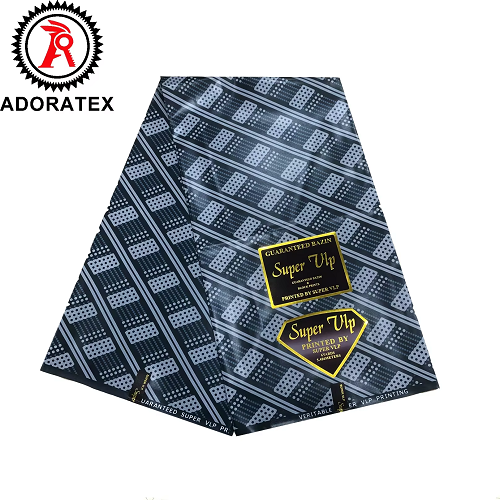
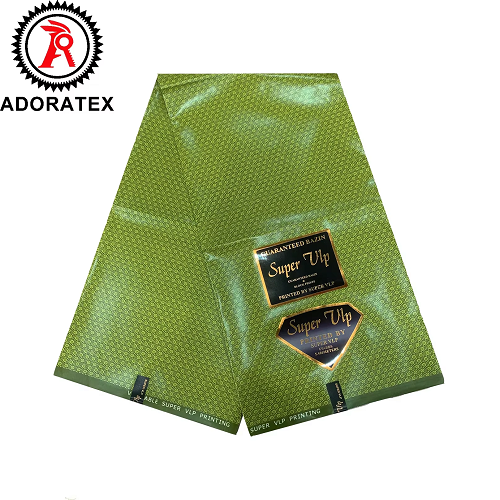
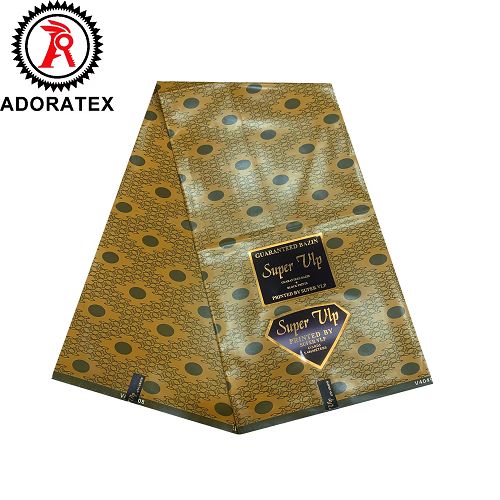
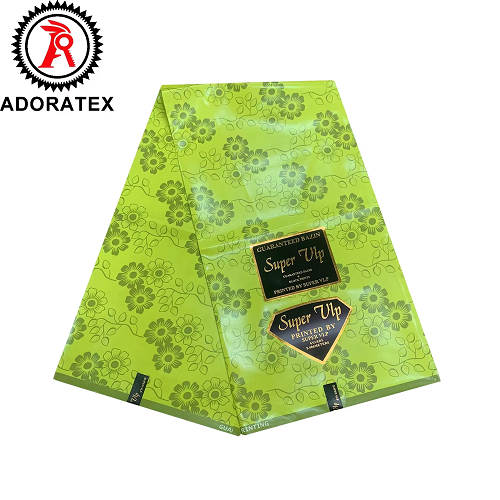
Dutch Wax refers to a tradition of wax-inspired printed textiles associated with Dutch textile manufacturing. These fabrics developed from industrial attempts to reproduce the appearance of Indonesian batik and became especially popular in West African markets.
Traditional Dutch Wax is often associated with detailed patterns, strong color combinations, and printing techniques designed to create distinctive effects on the fabric.
Kitenge Fabric
Kitenge is a commonly used name for colorful printed fabrics in East and parts of Central Africa. Similar to Ankara in West African markets, Kitenge is used for dresses, skirts, shirts, headwraps, and other clothing.
Although Kitenge and Ankara fabrics may share similar colors and patterns, their names and regional associations differ.
4. Popular African Wax Print Patterns and Designs
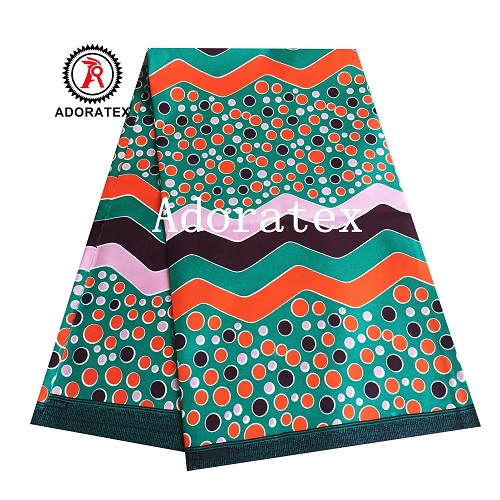
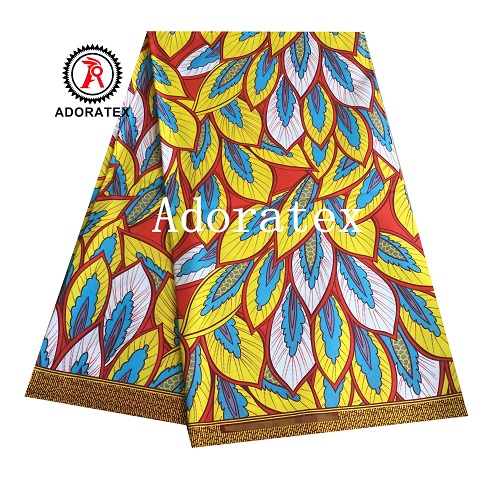
One of the most attractive features of African wax print fabric is its enormous variety of patterns. Different combinations of colors, shapes, and motifs create distinctive visual styles that can be used for many types of clothing.
Here are some popular design categories:
Floral Prints
Floral patterns feature flowers, leaves, and other natural elements. They are often used for feminine dresses, skirts, blouses, and lightweight fashion garments. Depending on the color combination, floral prints can create either a soft, elegant appearance or a bright and lively style.
Geometric Prints
Geometric designs use repeated shapes such as circles, triangles, squares, lines, and diamonds. Their structured appearance makes them suitable for both traditional outfits and modern fashion designs.
Abstract Prints
Abstract patterns combine irregular shapes, lines, and contrasting colors to create distinctive visual effects. They are often chosen by people who prefer bold and contemporary clothing styles.
Traditional-Inspired Prints
Some designs draw inspiration from cultural symbols, traditional art, local expressions, and historical references. Certain patterns also have names associated with specific communities or stories.
When choosing a pattern, consider the intended clothing style, occasion, and personal preference. Large, bold designs can create a strong visual statement, while smaller and more repetitive patterns may offer a more balanced appearance.
Color combinations also play an important role. Bright yellow, red, green, and blue can create energetic outfits, while darker backgrounds and contrasting details may produce a more sophisticated look.
5. How Is African Wax Print Fabric Used?
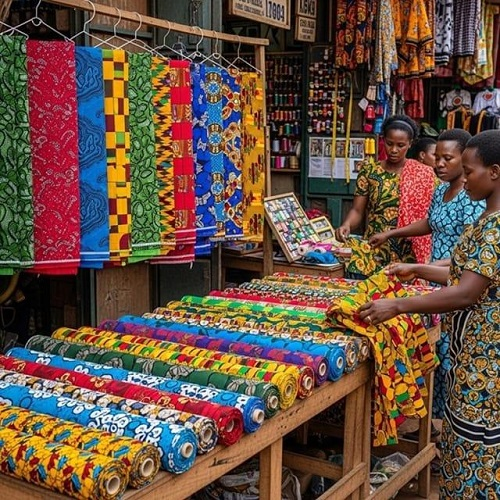
African wax print fabric is extremely versatile. Although it is best known for clothing, it can also be used for accessories and home decoration.
Here are some of its most common applications.
Women's Dresses and Skirts
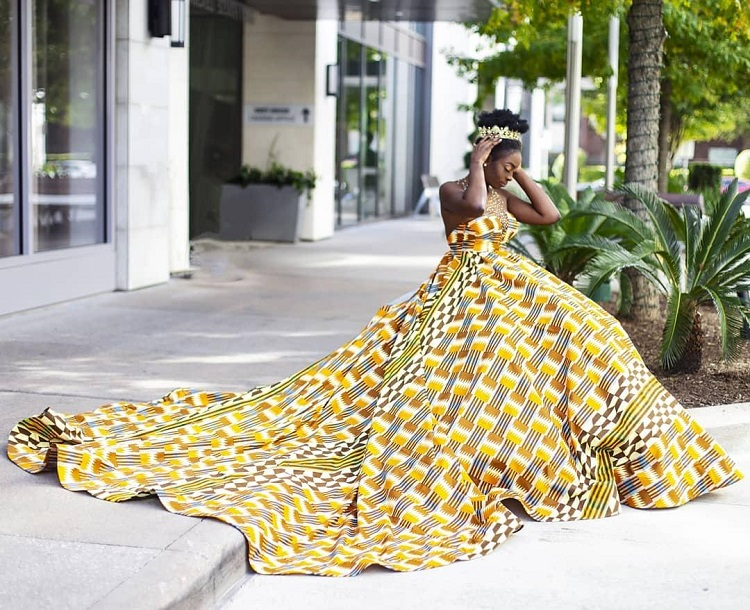
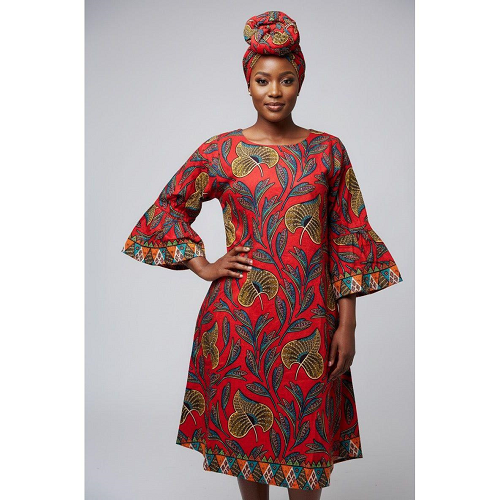
Ankara fabric is widely used to make long dresses, fitted dresses, maxi skirts, peplum dresses, and traditional outfits. Its colorful patterns make it suitable for both everyday fashion and special occasions.
Men's Clothing
Men's fashion is another important application. Printed fabrics are commonly used for shirts, traditional outfits, jackets, and coordinated clothing sets. Depending on the pattern and tailoring style, they can create either casual or formal looks.
Matching Outfits for Couples and Families
Matching outfits are popular for weddings, celebrations, family photographs, and cultural events. Couples and family members may choose the same fabric or coordinate different designs and colors to create a unified appearance.
Headwraps and Accessories
Smaller pieces of African printed fabric can be used to make headwraps, scarves, bags, hair accessories, and other fashion items. These accessories provide an easy way to incorporate colorful prints into everyday outfits.
Home Decoration
African printed fabrics can also be used in interior decoration. Common applications include cushion covers, curtains, table decorations, and other decorative textile products.
The versatility of these fabrics makes them attractive to fashion designers, clothing manufacturers, tailors, retailers, and individual consumers.
6. How to Choose Quality African Wax Print Fabric
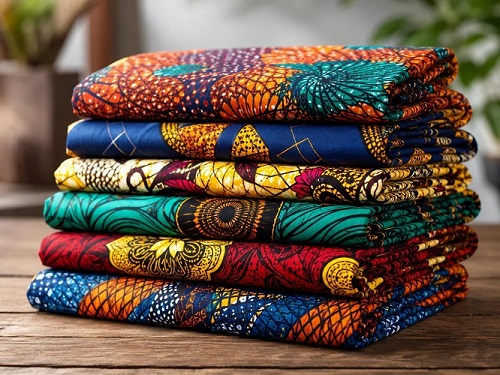
Choosing the right African wax print fabric involves more than selecting an attractive pattern. Fabric composition, printing quality, weight, and durability all affect its suitability for different applications.
Here are several important factors to consider.
① Check the Fabric Composition
Cotton and polyester fabrics have different characteristics.
Cotton is naturally breathable and comfortable against the skin, making it a popular option for everyday clothing, especially in warm climates.
Polyester is generally more resistant to shrinking and wrinkling and can offer good dimensional stability. It is also available in many colorful printed designs.
The best choice depends on the intended garment, budget, and customer preferences.
② Examine the Print Quality
Look closely at the printed patterns. Clear details, consistent color distribution, and well-defined edges can contribute to an attractive finished garment.
If possible, examine both sides of the fabric to understand how the printing appears throughout the material.
③ Consider Colorfastness
Colorfastness refers to a fabric's ability to retain its color during washing, rubbing, and exposure to light.
For clothing that will be worn and washed frequently, good colorfastness is particularly important. Buyers can request relevant test reports or fabric samples to evaluate performance before placing large orders.
④ Choose the Appropriate Fabric Weight
Fabric weight affects how a garment feels and hangs.
Lightweight materials may be suitable for flowing dresses and comfortable everyday clothing, while heavier fabrics can provide more structure for certain garment styles.
Consider the intended design before choosing a fabric weight.
⑤ Evaluate Softness and Durability
A good fabric should meet the requirements of its intended use. Check its hand feel, surface appearance, construction, and resistance to repeated use.
For wholesale buyers, requesting samples before bulk purchasing is a practical way to assess the material.
⑥ Choose a Reliable Wholesale Supplier
For clothing manufacturers, retailers, and fabric distributors, supplier reliability is just as important as fabric quality.
Before placing an order, consider:
- Available fabric compositions and specifications.
- Variety of patterns and color options.
- Minimum order quantities.
- Custom design and OEM capabilities.
- Sample availability.
- Production lead times and delivery arrangements.
Working with a reliable supplier helps ensure consistent product specifications and smoother purchasing arrangements.
At Adoratex, we offer African-inspired printed fabrics in different designs and material options for customers looking for wholesale textile supply. Whether you are sourcing fabrics for clothing production, retail distribution, or customized collections, choosing suitable patterns and materials is an important step in meeting your customers' needs.
Explore our African wax print fabric collection to discover more designs and wholesale supply options.
7.Frequently Asked Questions About African Wax Print Fabric
1. Is African wax print fabric 100% cotton?
Not always. Traditional and premium wax-print fabrics are often made from 100% cotton, but many African-inspired printed fabrics are also produced using polyester or blended materials. Always check the fabric composition before purchasing.
2. What is the difference between Ankara and Kitenge?
Ankara is commonly used in West Africa, particularly Nigeria and Ghana, while Kitenge is widely used in East and parts of Central Africa. Both terms refer to colorful printed fabrics used for clothing and accessories, although their regional usage and specific product definitions can vary.
3. Is African wax print fabric suitable for everyday clothing?
Yes. African printed fabrics are widely used for everyday dresses, shirts, skirts, and casual outfits. The most suitable fabric depends on its composition, weight, softness, and the desired clothing style.
4. How do you wash African wax print fabric?
Always follow the fabric manufacturer's care instructions. As a general precaution, wash printed fabrics separately in cool or lukewarm water using a mild detergent. Avoid harsh bleaching agents and excessive heat, especially when the fabric's colorfastness has not been tested.
5. How many yards of Ankara fabric are needed for a dress?
The amount depends on the dress design, garment size, fabric width, and whether additional details such as sleeves, ruffles, or a long train are required. A simple dress may need around 3–4 yards, while more elaborate styles may require 5–6 yards or more. It is best to confirm the fabric requirements with a tailor before purchasing.
Conclusion
African wax print fabric is much more than a colorful textile. Its history, distinctive patterns, and connection to African fashion have made it an important part of clothing and cultural expression across many communities.
From Ankara dresses and traditional outfits to modern shirts, accessories, and home decorations, these fabrics offer countless creative possibilities.
Whether you are an individual looking for beautiful clothing materials, a fashion designer developing new collections, or a wholesale buyer sourcing printed textiles, understanding fabric composition, pattern styles, and quality characteristics will help you make better choices.