

What Are the Types of Pillowcases?
When shopping for bedding or bedroom essentials in general, many people treat pillowcases as an afterthought. But they actually serve important functions and come in a wide variety.
A high-quality pillowcase not only enhances the aesthetics of your bedroom, but also delivers comfort and protects both the pillow and your skin. After all, your cheeks rest against it the entire time you are asleep.
There are numerous pillowcase options on the market. Comfort is the core consideration for selection, and preferences vary from person to person. Therefore, it is vital to understand the different pillowcase styles and their functions.
Ⅰ. What Is a Pillowcase?
Pillowcases (also known as pillow protectors) are matching bedding accessories that combine practicality and comfort. They shield pillows from stains, dust and facial oils, while offering a soft touch and pleasing appearance. We all love snuggling up to a soft pillow to relax and unwind.
Ⅱ. Types of Pillowcases by Design
The style of your pillowcase directly shapes the overall look of your bedroom. Below is a breakdown of pillowcase styles based on their design:
Bag Pillow Cases
This style is most commonly used in hotels and commercial hospitality settings. It has an opening on one side for inserting the pillow, with no inner flap to hold the pillow in place. Hotels usually tuck the opening underneath the pillow to secure it.
Though originating from hotel use, bag pillowcases are growing in popularity in the home market and are often included in bedding sets.
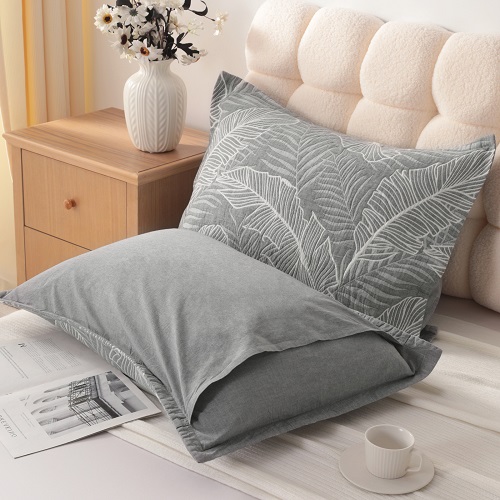
Housewife Pillow Cases
This is the most mainstream pillowcase style available. One side is sewn closed, and the other has a large opening to insert the pillow.
This design holds the pillow securely, with an inner fabric flap at the opening to prevent the pillow from slipping out. It is widely available and cost-effective.
The name comes from the Housewives Co-operative in Manchester. In the 1880s, they modified traditional pillowcases by adding an inner flap at the opening to keep the pillow fixed, hence the name.
Types of Pillowcases by Material
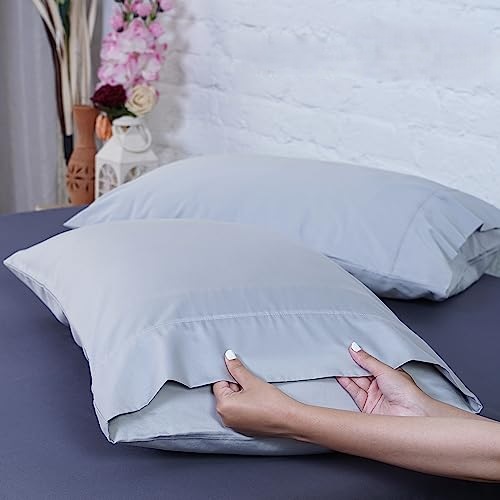
There are many fabric options for pillowcases, each with unique texture, feel and appearance.
Polyester Pillow Cases
A synthetic fabric with an affordable price tag and lightweight texture. Some are spun into tightly woven microfiber to mimic cotton; others have a silky feel. The downside is poor breathability, as it tends to trap body heat and can feel warm overnight.
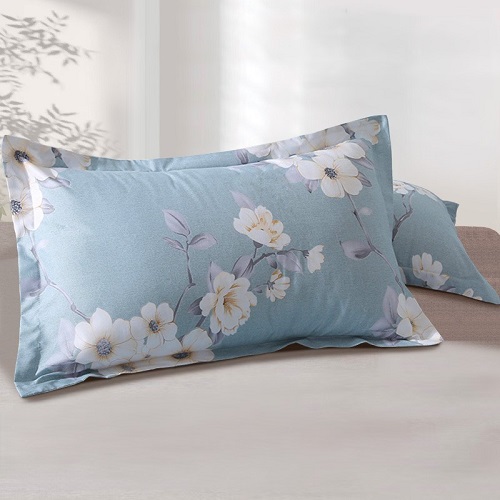
Cotton Pillow Cases
A natural fabric that is durable and soft with great breathability. It stays cool and breathable in summer and gently warm against the skin in winter.
Cotton pillowcases cover a wide range of categories: organic cotton, Pima cotton, Egyptian cotton, upland cotton and more. Many consider cotton pillowcases premium and easy to care for, though they are priced higher than synthetic alternatives.
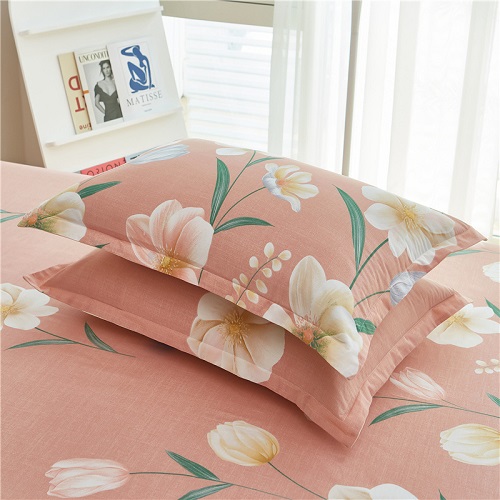
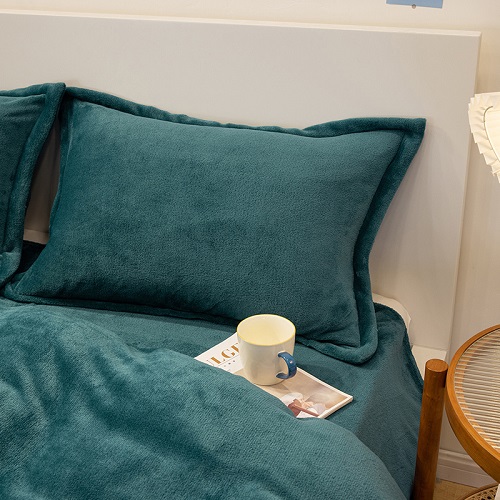
Flannel Pillow Cases
Flannel is soft and warm, which is why many people prefer flannel bedding in autumn and winter. However, its warmth can be excessive for some sleepers and may lead to a sweaty head at night. It may also cause tangles and frizz in long hair. Please follow the care instructions to avoid damage.
Satin Pillow Cases
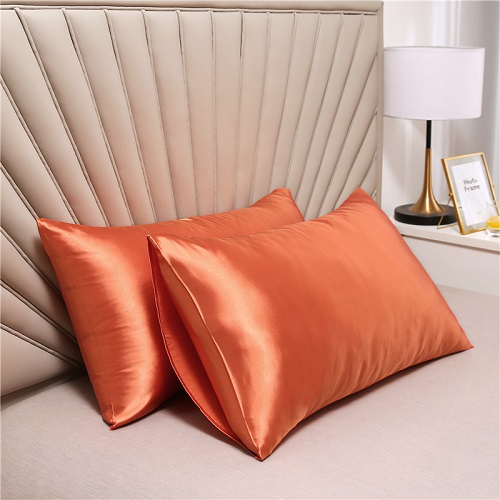
Satin is a synthetic fabric treated to replicate the look of silk. It has a smooth feel. Many bedding lovers choose satin pillowcases to reduce hair frizz, and some believe they can also minimize fine facial lines.
Silk Pillow Cases
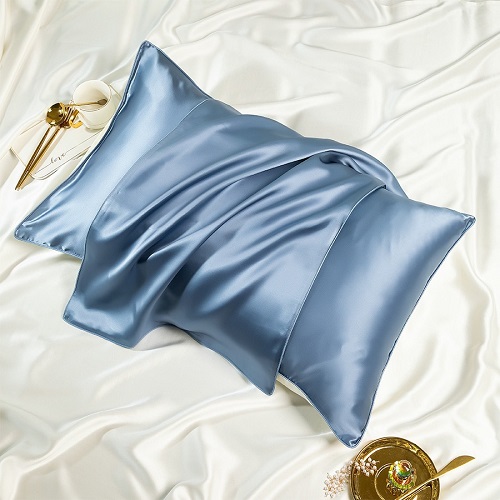
Silk pillowcases share many benefits with satin ones: reducing frizz, soothing skin and feeling cool to the touch.
Ⅲ. Pillowcase vs Pillow Sham: What Is the Difference?
Many people cannot distinguish between pillowcases and pillow shams. They differ in fitting, touch, design and texture, and these differences affect the overall look of your bedding. Pillow shams are designed primarily for decoration, turning ordinary pillows into bedroom decor. Similar in shape to regular pillowcases, they usually feature more elaborate front designs and have an opening at the back instead of at the end.
To put it simply: pillowcases are for daily sleep and keep pillows clean; pillow shams focus on aesthetics and are used to decorate beds.
How to Choose a Pillowcase
Picking the right pillowcase, paired with proper care, can extend the service life of your bedding and improve sleep quality. Ultimately, your personal preference is the deciding factor when shopping.
Ⅳ. Fabric
Pillowcase fabrics fall into two broad categories: natural and synthetic. Fabric is the first factor to consider when shopping. High-quality natural fabrics are recommended for balanced comfort and long-lasting softness.
If you are on a budget, cotton pillowcases are a great choice — breathable and comfortable, delivering a nice texture at an accessible price. Polyester and microfiber are more economical options. For a luxurious feel, you can opt for linen or silk pillowcases.
Ⅴ. Size
After selecting the fabric, confirm the size:
Euro pillows: typically 26×26 inches, square, mostly decorative and placed against the headboard when making the bed.
Standard pillows: 20×26 inches rectangular, compatible with twin, full and queen beds.
King pillows: also 20 inches in height but 36 inches long.
Boudoir pillows are much smaller, used for neck support or decorative purposes.
Closure Structures for Decorative Pillows
Once you decide on the size and fabric, move on to structural details.
Ordinary sleep pillowcases usually have a single-side opening with no decorative borders.
Decorative pillow shams are generally sewn on all four sides with a rear opening, commonly used for Euro pillows, boudoir pillows and other decorative cushions.
Both pillow shams and regular pillowcases come with various closure styles. Standard pillowcases usually have a full or partial opening on one side for easy insertion and removal of pillows. Pillow shams may be fitted with elegant zippers, overlapping rear fabric flaps or tie closures.
Ⅵ.FAQ
Q1: Are pillowcases the same as pillow shams?
No. Pillowcases are designed for daily sleeping to protect the pillow and keep it clean. Pillow shams are mainly decorative bedding accessories to style your bed. Although they look similar, most shams have an opening on the back with an elaborate front design and are not ideal for long-time direct skin contact during sleep.
Q2: What is the difference between bag, housewife and Oxford pillowcases?
They are classified by closure style:
Bag Pillow Cases: Single-side opening without inner flap. Widely used in hotels. The opening is tucked under the pillow to secure it.
Housewife Pillow Cases: The most common style on the market. It comes with an inner fabric flap at the opening to hold the pillow firmly and prevent slipping out. It is cost-effective and widely available.
Oxford Pillow Cases: Featuring a 2-inch wide fabric border all around for strong decorative appeal. Some styles use an envelope flap to hide the opening. They can be used for sleeping and are also popular as decorative covers.
Q3: Are polyester pillowcases good? Will they feel hot at night?
Polyester pillowcases are affordable and lightweight. Some microfiber variants have a silky smooth touch. The downside is weak breathability; they tend to trap body heat and may feel warm for hot sleepers.
Q4: What types of cotton pillowcases are available?
Cotton is a natural, durable and breathable fabric for pillowcases. It includes organic cotton, Pima cotton, Egyptian cotton and upland cotton. Cotton pillowcases are easy to maintain and deliver a premium feel, yet they are priced higher than synthetic options.
Q5: What is the difference between satin pillowcases and silk pillowcases?
Satin is synthetic fabric with a silk-like appearance and smooth texture, which helps reduce hair frizz. Silk is a natural fabric with a cool, gentle feel and superior sleeping experience, but it is more expensive.
Q6: What closure options are available for decorative pillow shams?
Decorative shams commonly use zippers, overlapping back flaps or tie closures. Regular sleeping pillowcases mostly have a full or partial side opening for easy insertion and removal of pillows.
Q7: Should I prioritize fabric or style when choosing a pillowcase?
For daily use, choose the fabric first, then the style. If budget allows, pick high-quality natural fabrics. Cotton is a great mid-range option, while polyester and microfiber are more economical choices.